



 Sicily, the enchanting sun-kissed island in the heart of the Mediterranean, is renowned for its rich culinary tradition. Among the gastronomic treasures this land has to offer, Sicilian capers occupy a prominent place. Small, but powerful in terms of flavor and beneficial properties, Sicilian capers are a valuable ingredient in many local cuisine dishes. In this article, we will explore in depth the history, cultivation, health benefits and multiple culinary applications of Sicilian capers.
Capers have been a constant presence in Sicilian cuisine for centuries. Even in ancient times, capers were known and used by the Greeks and Romans for their pungent flavor and ability to enrich dishes. In Sicily, the cultivation of capers has deep roots, dating back to the period of Greek and Carthaginian rule. Over the years, Sicilian capers have become a symbol of the island’s culinary tradition, loved and appreciated by locals and visitors alike.
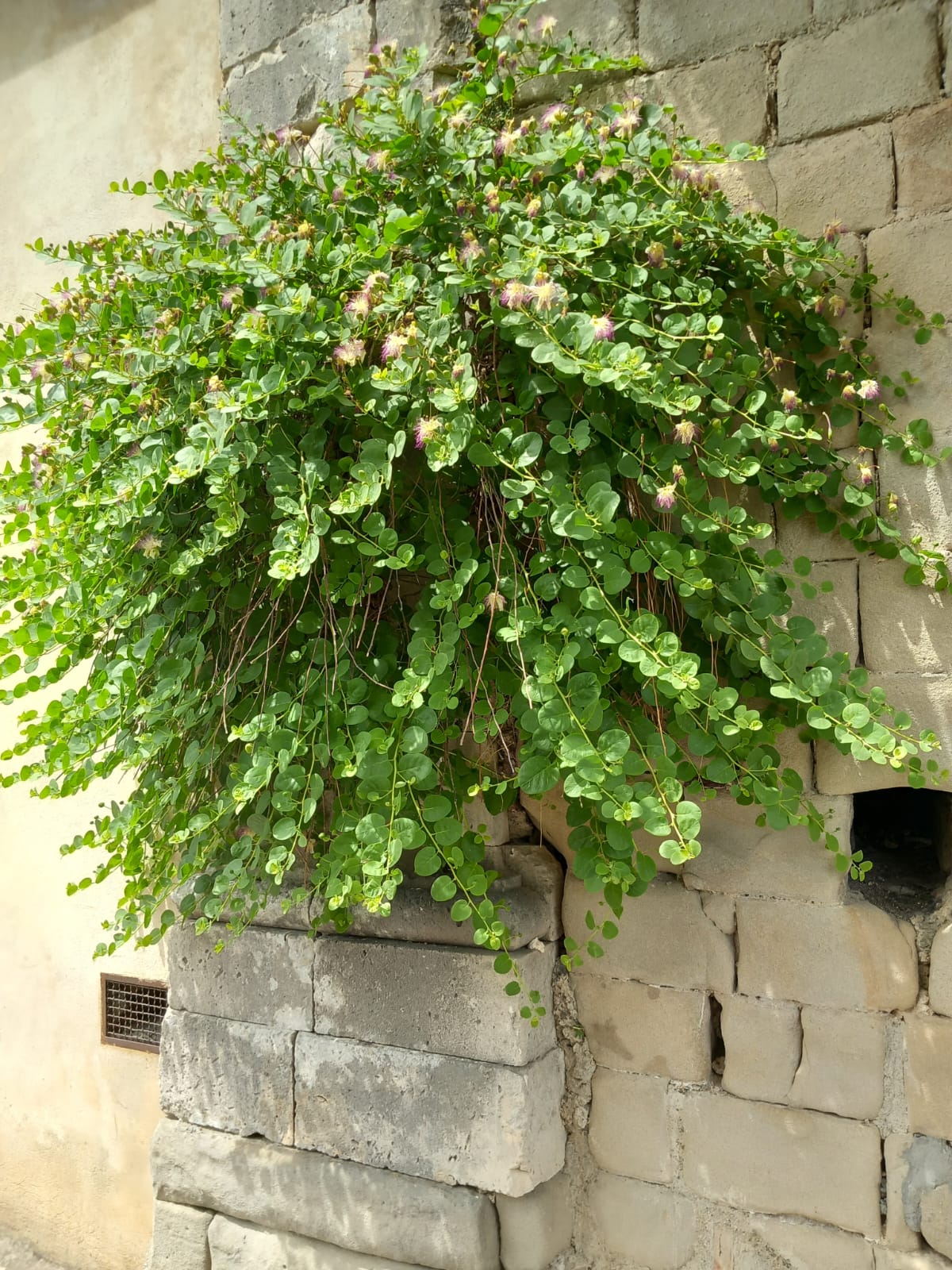
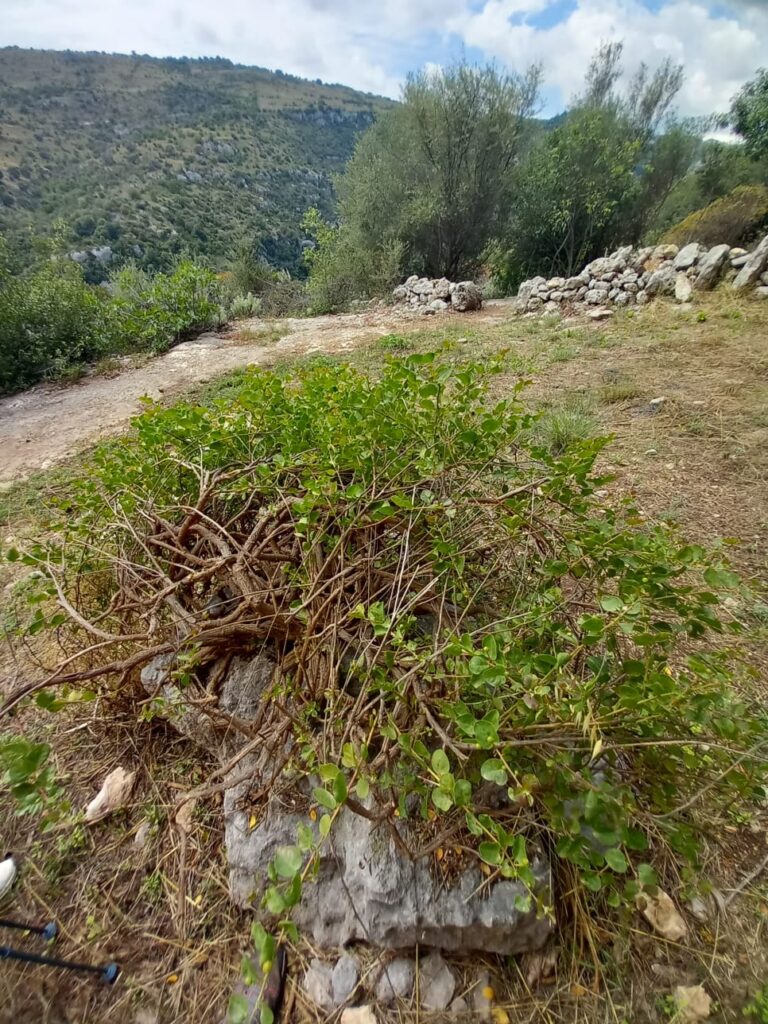
The cultivation of capers in Sicily is an art passed down from generation to generation. Favorable climatic conditions, with a warm and dry climate, together with fertile and well-drained soil, contribute to the production of high-quality capers. Caper plants are hardy shrubs that can reach a height of 1 meter. Capers are harvested by hand, when the flower buds are still closed, to preserve their taste and texture. This delicate process requires patience and dexterity, as only the youngest, appropriately sized buds are selected to be made into tasty capers.

The caper plant, cultivation and uses
Sicilian capers not only offer a unique touch of flavor to dishes, but they are also rich in health-promoting properties. They are a concentrated source of antioxidants, which help fight oxidative stress and protect cells from free radical damage. In addition, they are rich in vitamin K, vitamin A, and essential minerals such as iron and magnesium. Capers are known for their antibacterial and anti-inflammatory properties, and they can also aid digestion. In addition, capers are low in calories and fat-free, making them a healthy addition to a balanced diet.
Sicilian capers are a versatile component of regional cuisine and are widely used in numerous dishes. Their pungent, brackish note goes well with a variety of flavors and ingredients. Capers are often found in salads, sauces and marinades, lending a fresh and lively touch. One of the most famous dishes that characterizes Sicilian cuisine is “Caponata,” a melange of vegetables, including eggplant, celery, capers, olives, and onions, all seasoned with olive oil and vinegar. Capers blend perfectly with the caponata ingredients, providing a distinctive flavor note.
In addition to caponata, capers are also used in fish dishes, such as “Sarde a Beccafico,” where they are used to stuff the sardines before cooking. Capers are also an essential ingredient in the famous“Pasta alla Norma,” a typical Sicilian dish that combines tomatoes, fried eggplant, ricotta salata, and, of course, capers. Capers also find their way into pizzas and meat dishes, such as “Vitello alla Siciliana,” where they are used to enrich the overall flavor.
The Pantelleria caper was the first Sicilian caper to obtain IGP (Protected Geographical Indication) recognition. This type of caper is grown on the island of Pantelleria, which boasts extremely arid volcanic soil that is ideal for its growth. Capers are harvested by hand, following a scalar process from May 1 to October 31. This ensures selection of the youngest and most appropriately sized buds.
More recently, in May 2020, the PDO (Protected Designation of Origin) “Aeolian Capers” was created. This specification allows capers to be grown on all islands of the Aeolian archipelago. Currently, Aeolian caper production is around 600-700 quintals per year, and about half of it comes from the island of Salina.
These PGI and PDO awards attest to the quality and authenticity of Sicilian capers, ensuring that they are produced in specific geographic areas and according to certain cultivation methods. This enhances local tradition and gives consumers the opportunity to appreciate and distinguish capers from different Sicilian regions, each with its own unique characteristics.
Sicilian capers thus represent an important culinary tradition of the island, enriching dishes with their pungent flavor and versatility. The artisanal cultivation of capers, combined with Sicily’s unique climate and soil, results in a high-quality product. It must be remembered that capers are found in much of Sicily, it is often possible to see caper plants in much of Sicily, the plant manages to take root and grow in limestone or even in dry stone walls. With My Syracuse, it is possible to go and discover caper plants either in the wild, such as at Pantalica or Vendicari, or in cities such as Syracuse, Ragusa Ibla, Modica, or in many other towns in Sicily along the walls of houses or city streets.
Therefore, in addition to their contribution to cooking, capers also offer health benefits due to their antioxidant properties and essential nutrients. If you have a chance to taste Sicilian capers, do not hesitate to do so and be won over by their vibrant and authentic flavor, which will take you straight into the enchanting culinary world of the Isle of the Sun.