



Excursion Tour Nature Reserve Necropolis of Pantalica
Excursion Tour
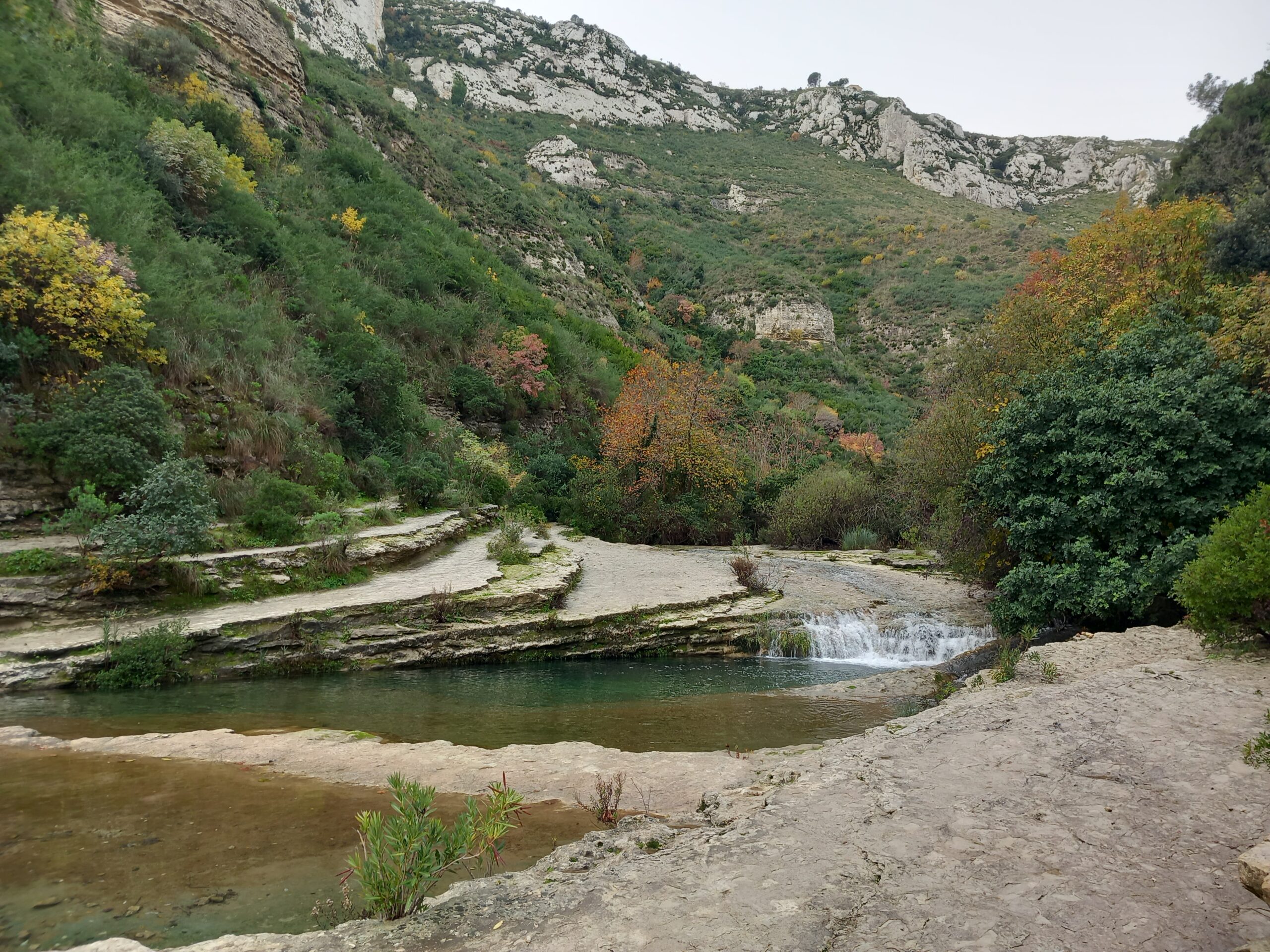
Pantalica Necropolis Nature Reserve
The history of Pantalica
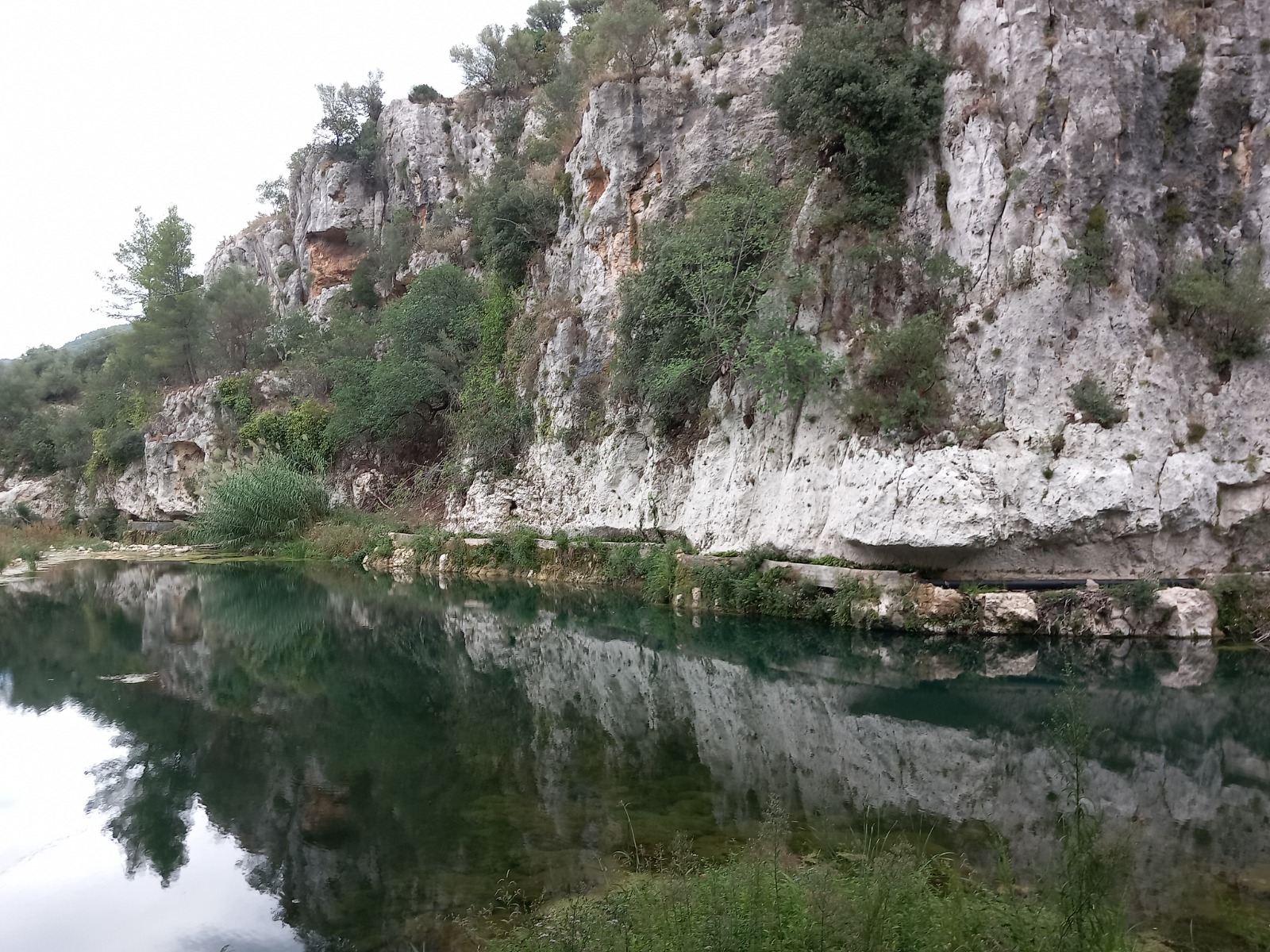
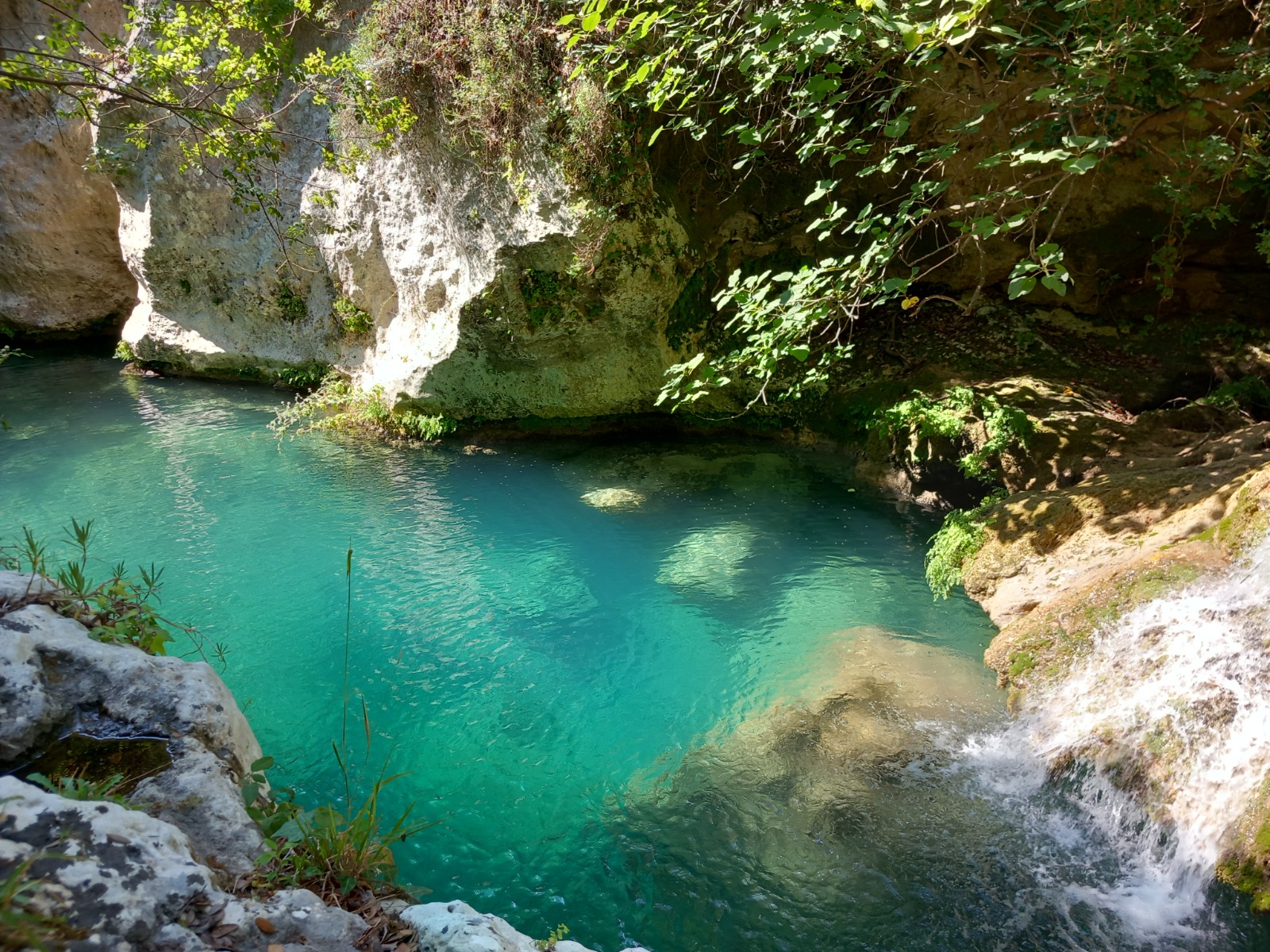
However, there are other hypotheses regarding the etymology of the term. Finally, it should not be forgotten that the site was, and still is, very rich in fresh water: an indispensable element for any human activity. Some experts identify this location with the semi-legendary Hybla, mentioned by the historian Thucydides in some of his writings, of which no certain traces have so far been found.
Prosperity and decadence
Pantalica, albeit with ups and downs, prospered for a long time living on agriculture, livestock farming and trade with other nearby centres; however, in the 6th century BC, it had to succumb to the expansionism of nearby Syracuse. Since then the site, little frequented by Hellenic settlers, became depopulated and fell into virtual abandonment for long centuries. A thousand years later these rocks were repopulated again due to the arrival of the Byzantines, who were also pushed inland by the growing Islamic pressure. Under the Arabs and the Normans the locality continued to be inhabited by small groups of farmers, but then it became definitively depopulated.
The archaeological excavations
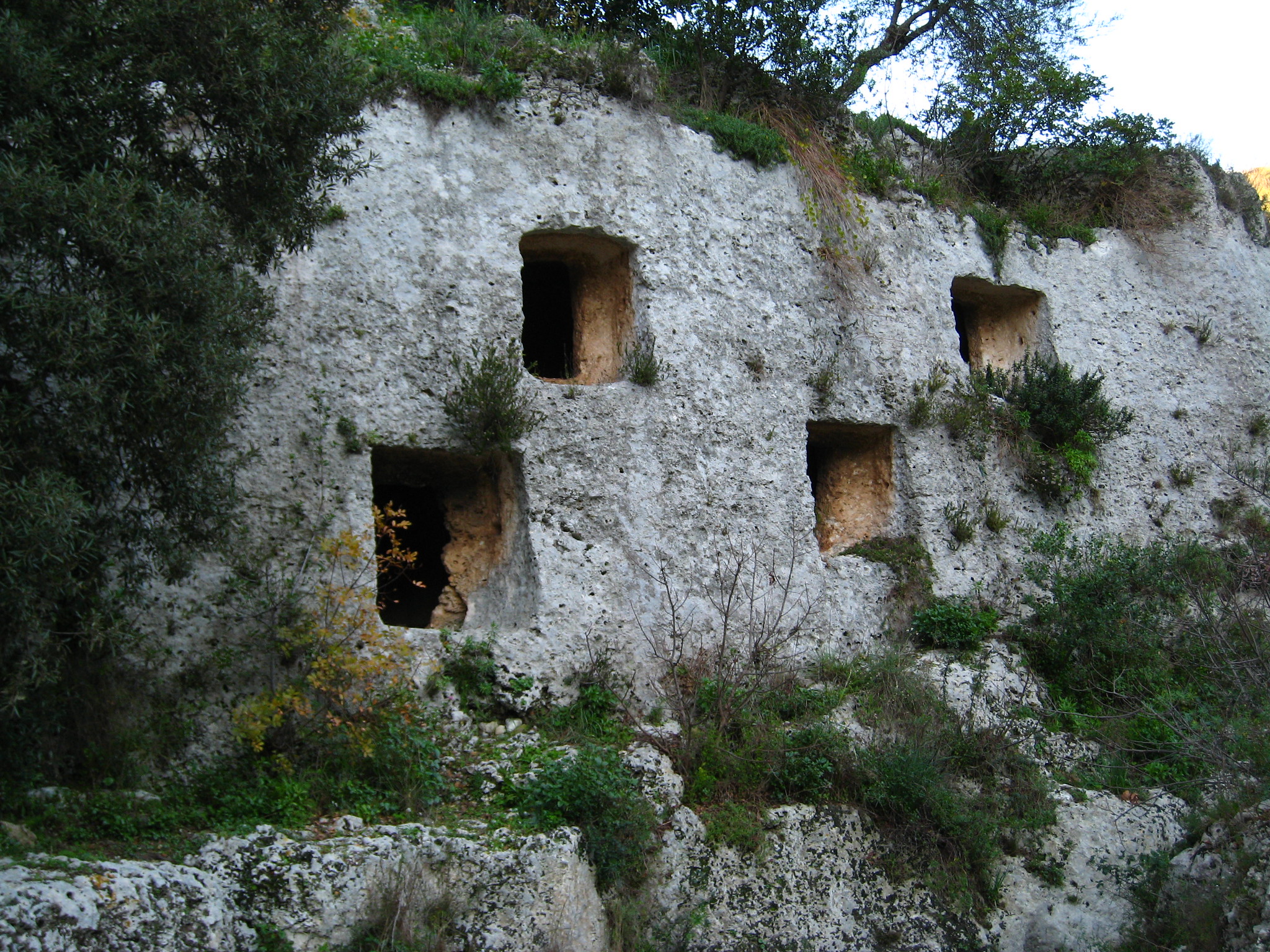
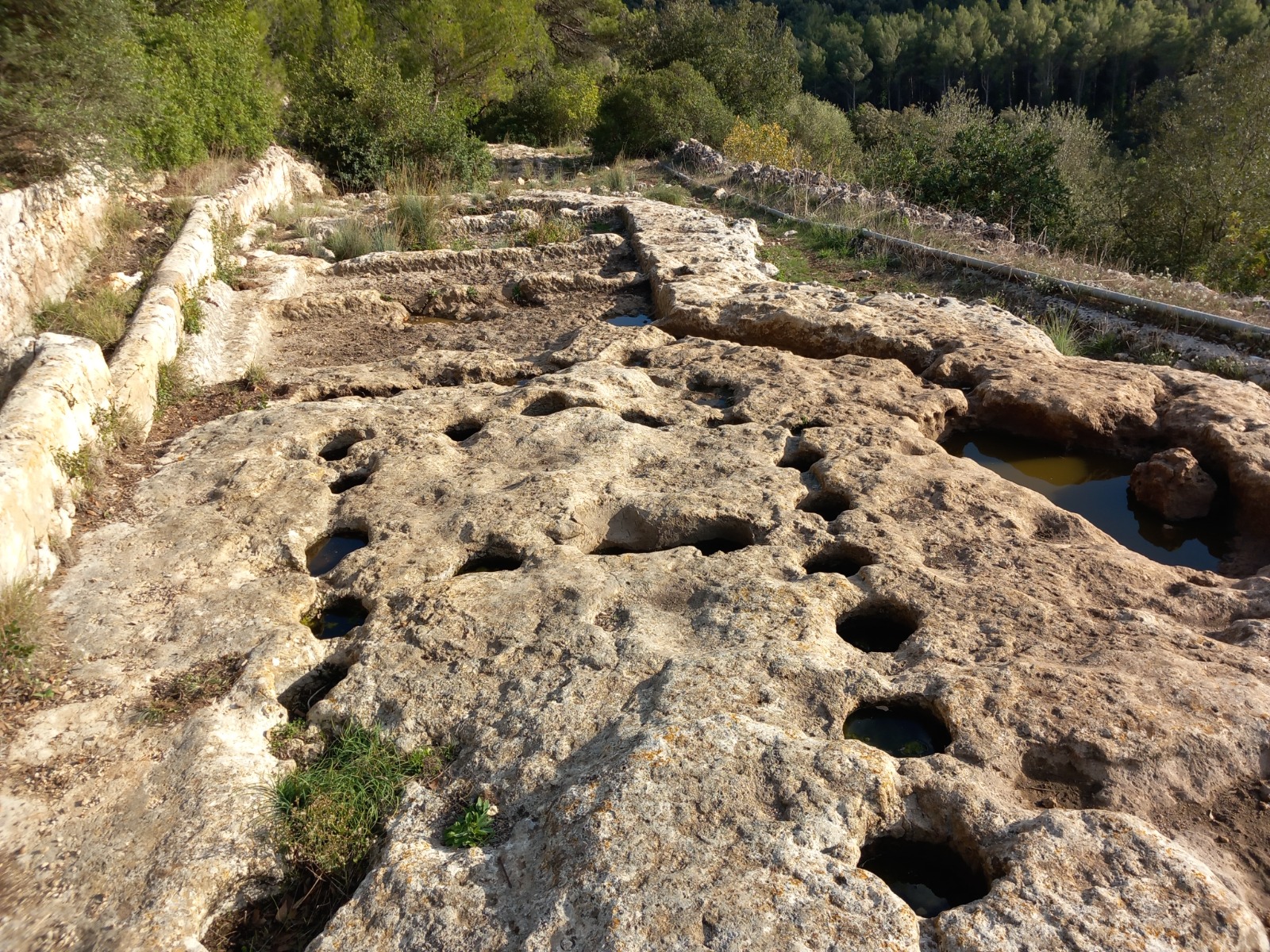
Vast campaigns of archaeological excavations, conducted at the end of the nineteenth century and throughout the following century, in particular by the archaeologist Paolo Orsi , have brought to light a large number of tombs dug into the rock and the remains of a few stone buildings, which have made it possible to understand the culture and customs of the ancient populations and their settlements. Among the tombs, grouped in different necropolis depending on the time of construction, the cave tombs stand out, and other tombs with a circular shape and are closed at the top by a sort of dome strong> (called “tholos”). In one of the highest points of the site, the foundations of the so-called “Anaktoron” were discovered, i.e. the residence of what must have been the greatest political authority of the place during the archaic period (Anax in ancient Greek meant precisely “Sir”). The remains of other buildings are very scarce, probably because the vast majority of the local population lived in caves and, above all, in thatched huts of which nothing remains.
The Christian-Byzantine presence
Some small churches also dug into the rock date back to the Christian – Byzantine period, in which faint but significant traces of ‘early medieval frescoes. The largest of these, perched on a steep precipice, is named after a certain San Micidario. Traces of an ancient defensive wall dating back to the 5th century are also visible.
Excursion Tour
Pantalica Necropolis Nature Reserve
The history of Pantalica
However, there are other hypotheses regarding the etymology of the term. Finally, it should not be forgotten that the site was, and still is, very rich in fresh water: an indispensable element for any human activity. Some experts identify this location with the semi-legendary Hybla, mentioned by the historian Thucydides in some of his writings, of which no certain traces have so far been found.
Prosperity and decadence
Pantalica, albeit with ups and downs, prospered for a long time living on agriculture, livestock farming and trade with other nearby centres; however, in the 6th century BC, it had to succumb to the expansionism of nearby Syracuse. Since then the site, little frequented by Hellenic settlers, became depopulated and fell into virtual abandonment for long centuries. A thousand years later these rocks were repopulated again due to the arrival of the Byzantines, who were also pushed inland by the growing Islamic pressure. Under the Arabs and the Normans the locality continued to be inhabited by small groups of farmers, but then it became definitively depopulated.
The archaeological excavations
Vast campaigns of archaeological excavations, conducted at the end of the nineteenth century and throughout the following century, in particular by the archaeologist Paolo Orsi , have brought to light a large number of tombs dug into the rock and the remains of a few stone buildings, which have made it possible to understand the culture and customs of the ancient populations and their settlements. Among the tombs, grouped in different necropolis depending on the time of construction, the cave tombs stand out, and other tombs with a circular shape and are closed at the top by a sort of dome strong> (called “tholos”). In one of the highest points of the site, the foundations of the so-called “Anaktoron” were discovered, i.e. the residence of what must have been the greatest political authority of the place during the archaic period (Anax in ancient Greek meant precisely “Sir”). The remains of other buildings are very scarce, probably because the vast majority of the local population lived in caves and, above all, in thatched huts of which nothing remains.
The Christian-Byzantine presence
Some small churches also dug into the rock date back to the Christian – Byzantine period, in which faint but significant traces of ‘early medieval frescoes. The largest of these, perched on a steep precipice, is named after a certain San Micidario. Traces of an ancient defensive wall dating back to the 5th century are also visible.
Excursion Tour
Pantalica Necropolis Nature Reserve
The history of Pantalica
However, there are other hypotheses regarding the etymology of the term. Finally, it should not be forgotten that the site was, and still is, very rich in fresh water: an indispensable element for any human activity. Some experts identify this location with the semi-legendary Hybla, mentioned by the historian Thucydides in some of his writings, of which no certain traces have so far been found.
Prosperity and decadence
Pantalica, albeit with ups and downs, prospered for a long time living on agriculture, livestock farming and trade with other nearby centres; however, in the 6th century BC, it had to succumb to the expansionism of nearby Syracuse. Since then the site, little frequented by Hellenic settlers, became depopulated and fell into virtual abandonment for long centuries. A thousand years later these rocks were repopulated again due to the arrival of the Byzantines, who were also pushed inland by the growing Islamic pressure. Under the Arabs and the Normans the locality continued to be inhabited by small groups of farmers, but then it became definitively depopulated.
The archaeological excavations
Vast campaigns of archaeological excavations, conducted at the end of the nineteenth century and throughout the following century, in particular by the archaeologist Paolo Orsi , have brought to light a large number of tombs dug into the rock and the remains of a few stone buildings, which have made it possible to understand the culture and customs of the ancient populations and their settlements. Among the tombs, grouped in different necropolis depending on the time of construction, the cave tombs stand out, and other tombs with a circular shape and are closed at the top by a sort of dome strong> (called “tholos”). In one of the highest points of the site, the foundations of the so-called “Anaktoron” were discovered, i.e. the residence of what must have been the greatest political authority of the place during the archaic period (Anax in ancient Greek meant precisely “Sir”). The remains of other buildings are very scarce, probably because the vast majority of the local population lived in caves and, above all, in thatched huts of which nothing remains.
The Christian-Byzantine presence
Some small churches also dug into the rock date back to the Christian – Byzantine period, in which faint but significant traces of ‘early medieval frescoes. The largest of these, perched on a steep precipice, is named after a certain San Micidario. Traces of an ancient defensive wall dating back to the 5th century are also visible.
INVIA UN MESSAGGIO
Per informazioni e chiarimenti contattatemi compilando il form contatti, risponderò ad ogni Vostra esigenza!