


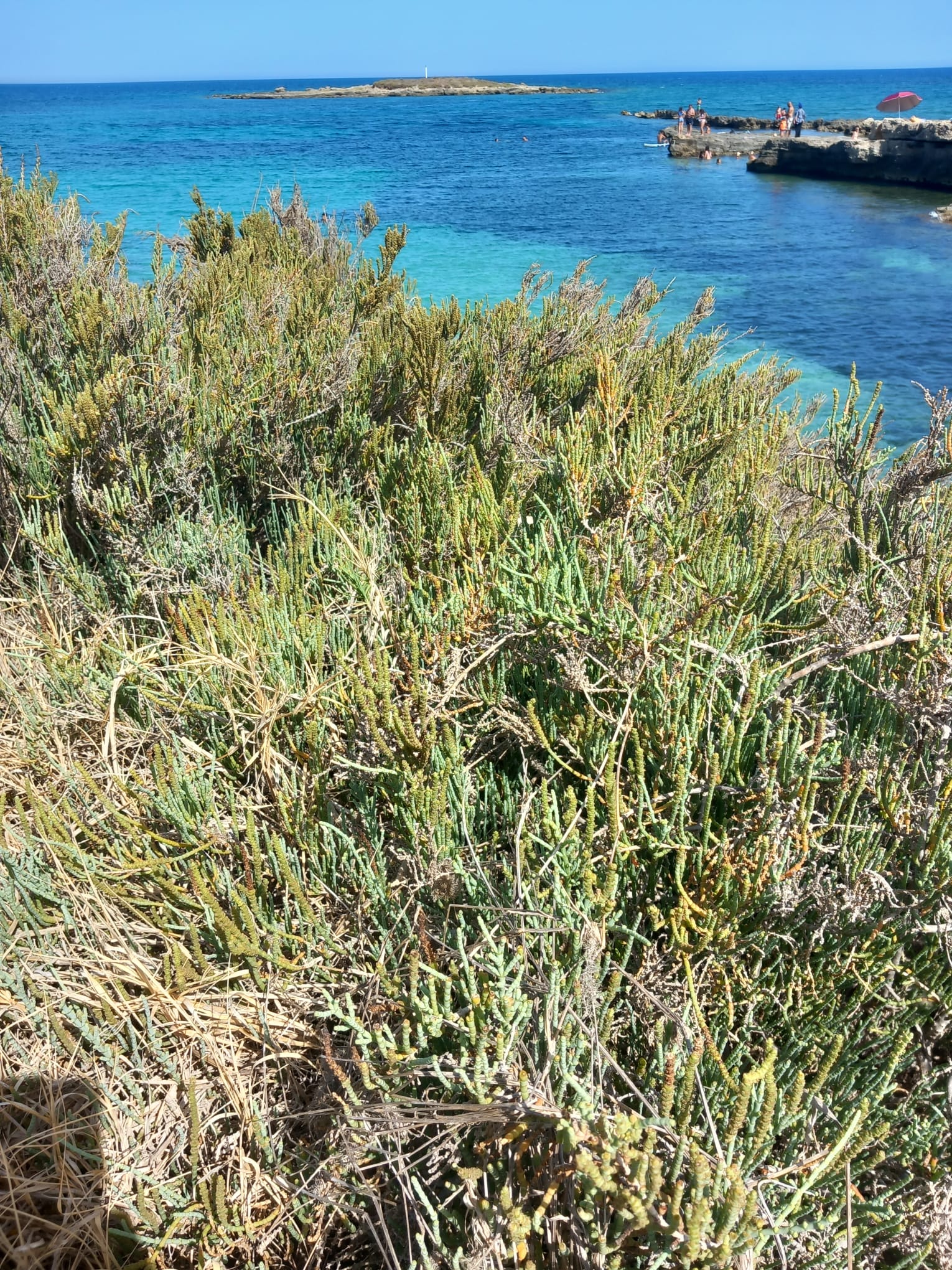
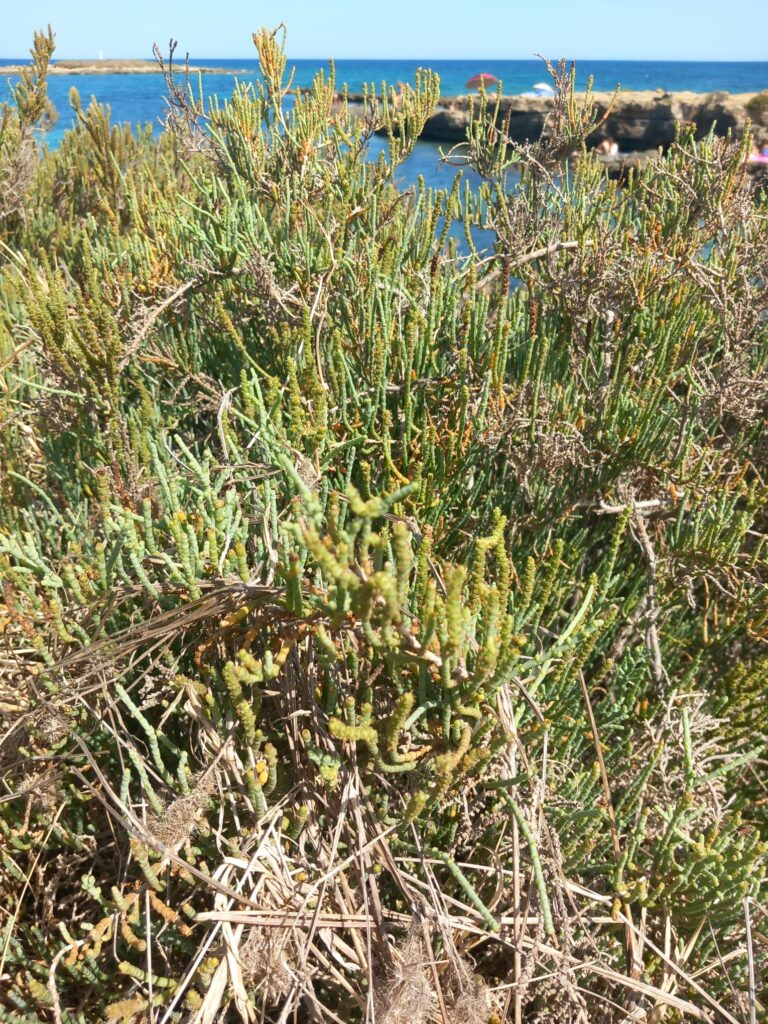
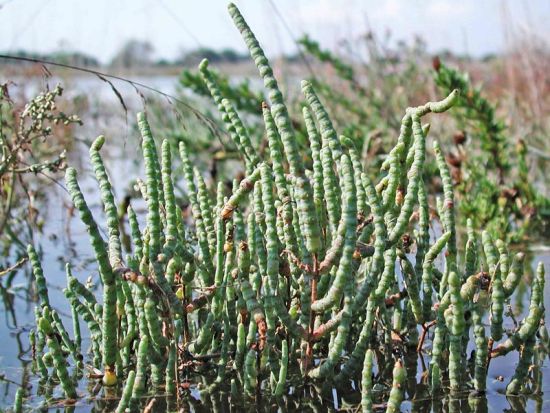
 Salicornia, a fascinating and versatile Mediterranean plant. Salicornia, also known as “sea asparagus” or “sea hay,” is a plant that grows in coastal areas with saline soils, such as lagoons, estuaries, and marshy areas. It has a fascinating history and several beneficial health properties, as well as being a delicious ingredient in cooking. Let’s explore together the history, properties and culinary uses of this remarkable plant.
Salicornia has a long history dating back to antiquity. It was first mentioned in some ancient Greek and ancient Roman writings, where it was used both as a food and as a medicinal remedy. Ancient sailors often stocked up on Salicornia during their voyages, as it was a source of essential vitamins and minerals. Over the centuries, Salicornia has been used in a variety of ways, including use in salads, soups, sauces and dressings.
The properties of Salicornia are amazing. As a plant that grows in saline environments, it has developed unique adaptations that make it rich in nutrients. It is an excellent source of vitamins, particularly vitamin A, vitamin C and vitamin E. It also contains minerals such as potassium, magnesium and calcium. In addition, Salicornia is rich in antioxidants, which help fight oxidative stress in the body.
 The beneficial properties of Salicornia do not stop there. Scientific studies have shown that this plant has anti-inflammatory effects and can help reduce the risk of cardiovascular disease. The presence of antioxidants in Salicornia helps protect the body from free radical damage, which is associated with aging and various diseases. In addition, some studies suggest that Salicornia may have positive effects on the immune system and metabolic regulation.
In addition to its health-promoting properties, glasswort is a versatile ingredient in the kitchen. It has a unique flavor that can be described as salty, with an aftertaste reminiscent of the sea. Because of its crunchy texture, it can be used in many preparations. Salicornia can be eaten raw in salads, added to soups or stews, or used as a side dish for fish dishes. It can also be preserved in vinegar or pickled to extend its shelf life and enrich its flavor.
Another interesting aspect of Salicornia is its positive environmental impact. As a plant that grows in saline and marshy soils, it can be grown in areas where other plants struggle to survive. This makes it a suitable crop for restoring degraded soils and mitigating the effects of climate change. In addition, Salicornia cultivation requires less fresh water than other crops, making it a sustainable choice. Not surprisingly, Salicornia is easily spotted in some marshy areas such as the Vendicari Oriented Nature Reserve for example, or even in some coastal areas such as the
Plemmirio
and many others in the Syracuse area. With My Syracuse excursions, it is very common to be able to locate and discover saltcedar plants together and in some cases even some very dense expanses and bushes that stand out for their evergreen color throughout much of the year.
Salicornia, therefore is a fascinating Mediterranean plant with a long history, health benefits properties and multiple uses in cooking. Its richness in vitamins, minerals and antioxidants make it a nutritious and protective food for the body. Its salty flavor and its use in a variety of dishes make it a versatile ingredient popular with chefs. In addition, Salicornia cultivation can help restore degraded lands and mitigate the effects of climate change. So if you have a chance, I recommend you try this amazing and tasty plant, a plant to be rediscovered and reused but being careful not to eradicate or take it, especially in conservation areas or nature reserves.