



The July 10, 1943 Allied landing in Sicily, known as Operation Husky, was the first amphibious landing of Anglo-American forces on European soil and represented a real watershed for the fate of World War II.
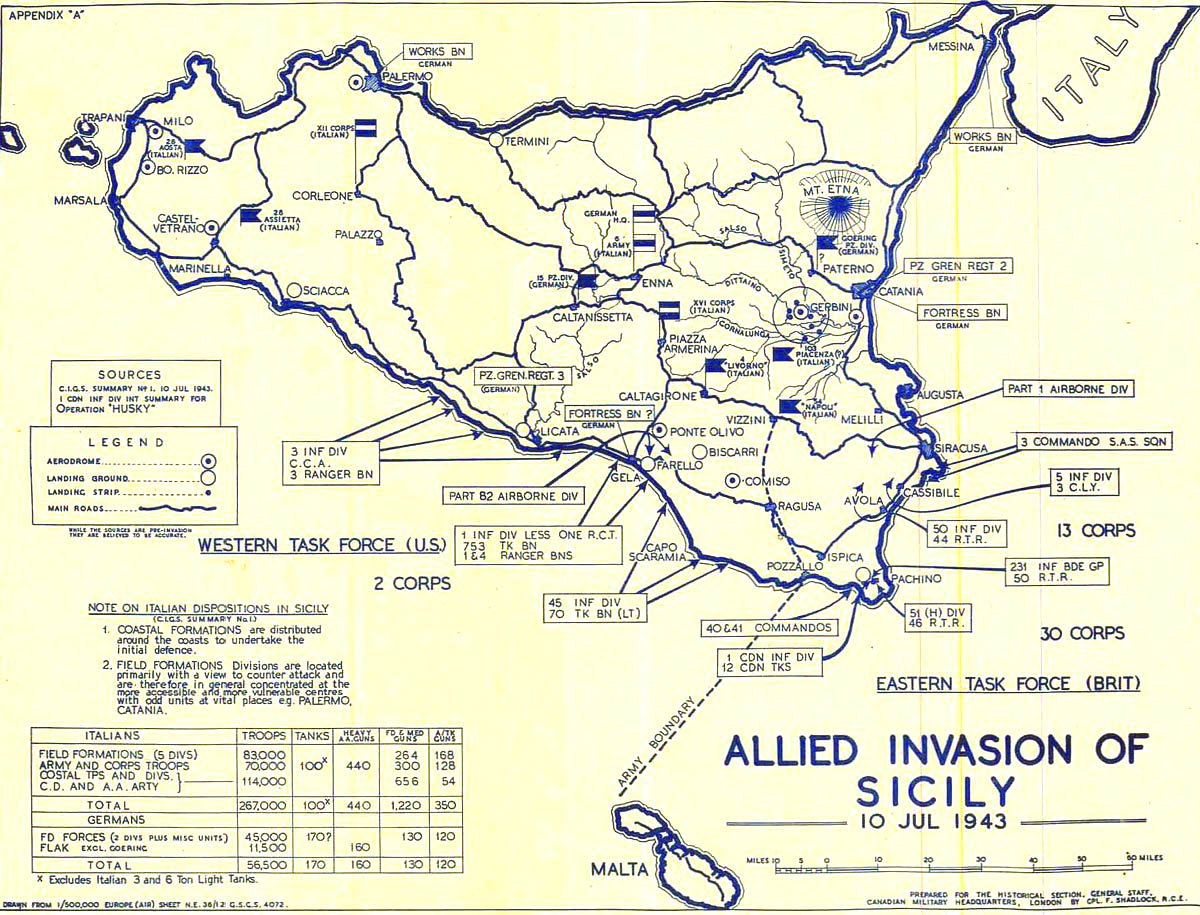
Operation Husky was a vast military operation conducted by the Allies to liberate Sicily from Nazi-Fascist occupation. After months of secret planning, on July 10, 1943, U.S., British and Canadian forces landed on the southeastern coast of the island. The main objective was to establish a beachhead in Sicily to prepare for the later invasion of the Italian mainland.
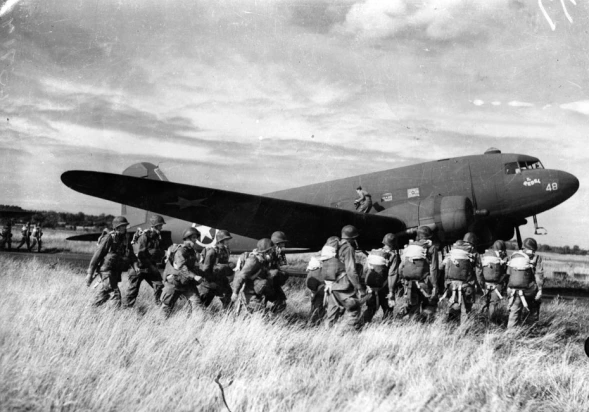
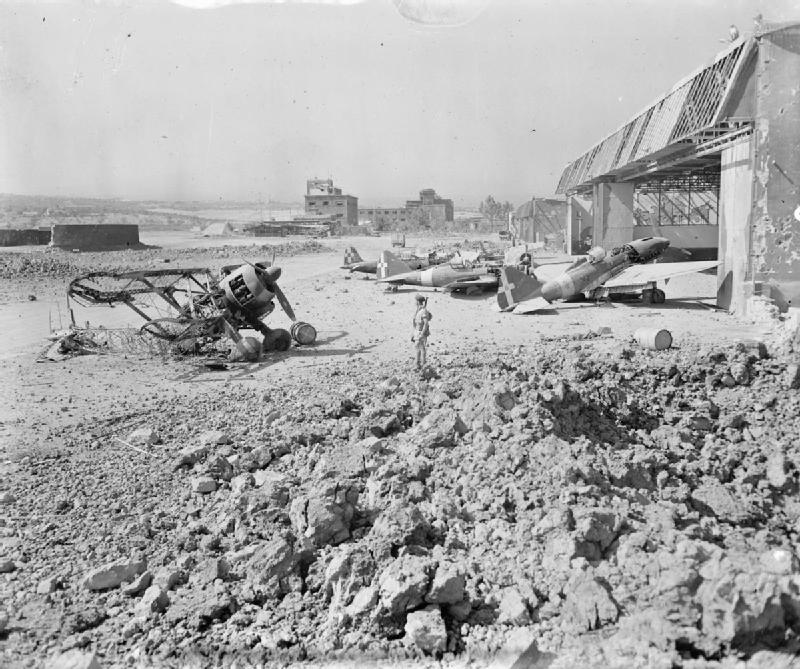
The landing took place at several coastal locations, including the beaches of Gela, Licata and Syracuse. There was no shortage of heroic and desperate resistance, particularly from the Italian military, again ill-equipped and left in disarray by the dastardly Italian military leadership, but the Allies succeeded in a few days in establishing beachheads and protecting the landing areas. In the following days, hard battles were waged to consolidate positions and advance into the interior of the island. An important detail of the landing was the use of U.S. and British paratroopers to capture strategic areas of the island. This tactic allowed the Allies to surprise the German troops and consolidate their control over important crossing points.
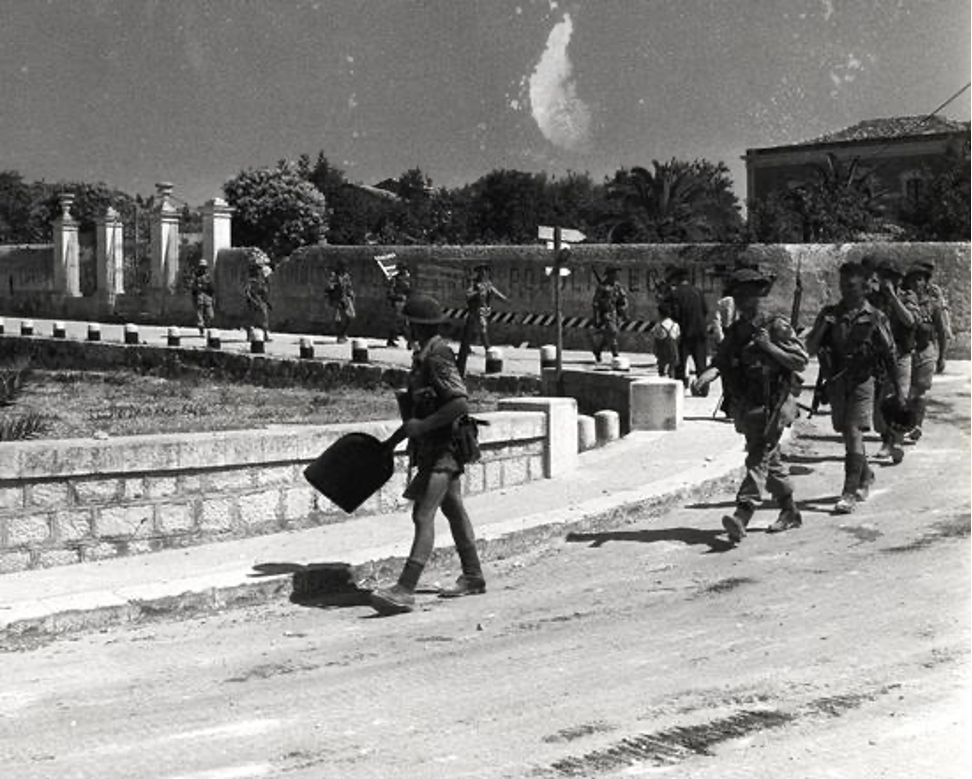
 The Sicilian population, exhausted by the hard years of war, misery and fascist oppression, welcomed the Allies as liberators, and many civilians offered their support, providing information, assistance and encouragement. However, it is important to note that the romantic image of the Sicilian Mafia collaborating with the Allies has been the subject of historical debate.
For decades, particularly since the early 1990s, the issue regarding the Sicilian mafia involvement in Operation Husky., an aspect, however, that has immediately aroused controversy, particularly the positions of prominent Sicilian historians such as Salvatore Lupo or Rosario Mangiameli, have provided important elements and sources in order to disprove, this legend now unfortunately mistaken as truth. Concrete evidence of systematic Mafia involvement in the operation is scarce and a matter of debate among historians. However, some documents and testimony suggest that there were some contacts between Mafia figures and allied forces. For example, Sicilian mobster Calogero Vizzini is believed to have provided information to the Allies.
The image of the Sicilian Mafia in relation to the Allied landing is a fascinating topic. During and after the operation, the international press began to spread romantic stories about the Sicilian Mafia, describing an organized crime network that would collaborate with the Allies to liberate the island. This contributed to the formation of the so-called “myth of the Sicilian Mafia” and fueled a narrative that would have lasting consequences for Sicily.
Turning now to the evolution of the operation and the Allied advance in Italy, after the initial landing in Sicily, the Allies fought hard to expand the beachhead and defeat the enemy forces. Despite resistance from some Wehrmacht units, the Allied advances were significant and the advance was rapid and relentless. By August 17, 1943, just over a month after the initial landing, the Allies had conquered the whole of Sicily, forcing the German troops to retreat to the Italian mainland.
The success of Operation Husky in Sicily made possible the subsequent invasion of mainland Italy. The Allies advanced northward, encountering German resistance along the way. The battles of Salerno, Anzio, Monte Cassino and other locations were crucial in the Italian campaign. The Allied forces faced difficult terrain, adverse weather conditions, and tenacious German resistance, but eventually succeeded in liberating Italy from the Fascist regime, which effectively fell on July 25, 1943, and the subsequent dismissal and imprisonment of Benito Mussolini.
 Regarding the involvement of the Sicilian Mafia in the operation, it is a debated and controversial issue. Although there is limited evidence and divergent opinions among historians, essayists and chroniclers, some evidence points to contacts between Mafia figures and allied forces. However, the alleged involvement of the Mafia cannot be generalized to the entire criminal organization and cannot be defined as determining the success of Operation Husky. This “myth” has rather come back to the fore in recent years, perhaps because it is functional to the creeping historical revisionism that is always present in Italy and then used for the sale or success of books or film productions.
It is important to approach such historical issues critically and based on reliable sources. Myths and romantic narratives can contribute to the formation of distorted and stereotyped images. Operation Husky represents an important chapter in the history of Sicily and the world conflict, and it deserves to be studied and understood in an accurate and objective manner, avoiding falling into sensationalism or the simplest conspiracy resulting from trivial and undocumented conjecture.
(Photo from https://www.iwm.org.uk) Imperial War Museum